How to Make Coloured Pasta (Using Natural Ingredients)
The best part of making fresh pasta at home is having total control over your ingredients and techniques. This includes skipping artificial dyes for colours derived from all-natural ingredients that are easy to source in the UK. It’s surprisingly simple and makes for a wonderful weekend afternoon activity, especially with children.
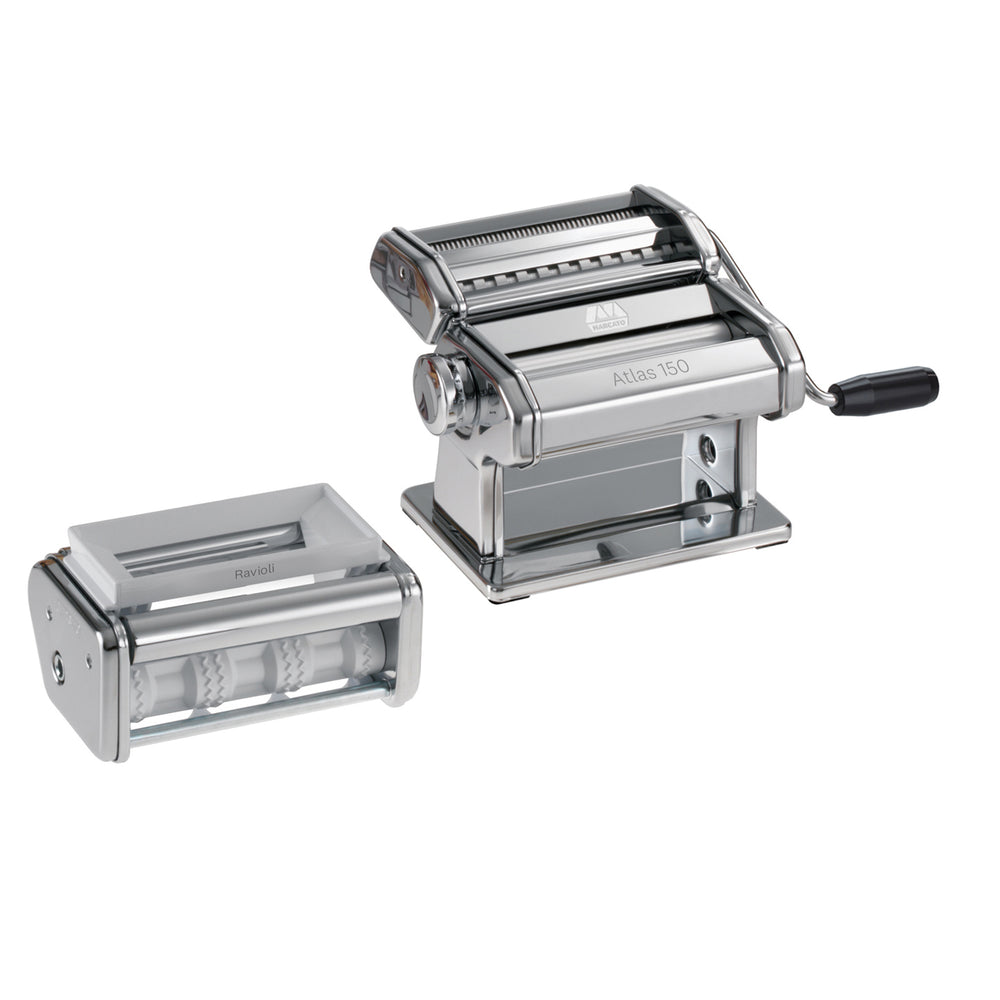
Before we create pasta art, you need a foolproof foundation. Below is the base recipe we use in our London cook school, which yields beautifully textured, reliable dough every single time. You will also need a pasta maker. Our go-to is the Marcato Atlas 150 Plus, which has stick-resistant rollers and creates a porous dough that helps sauce cling to the pasta when cooked.
Before we create pasta art, you need a foolproof foundation. Below is the base recipe we use in our London cook school, which yields beautifully textured, reliable dough every single time. You will also need a pasta maker. Our go-to is the Marcato Atlas 150 Plus, which has stick-resistant rollers and creates a porous dough that helps sauce cling to the pasta when cooked.
Our Fresh Pasta Dough Recipe (The Base)
This is a very forgiving recipe for beginners. It uses whole eggs rather than just yolks, which makes the dough more pliable and easier to handle.
Makes 2 portions, doubles easily
Ingredients
200g '00' pasta flour
2 large eggs
2 large eggs
Method
- Place flour in a mixing bowl and make a well in the centre; crack eggs into it. With a fork, whisk the eggs into the flour from the inside out, gradually incorporating until there's no loose flour left. Now use your hands to knead the dough in the bowl until it forms a ball. If it feels too wet, add a bit of flour; too dry, add a bit of water. Transfer to a work surface and keep kneading until it is smooth and elastic. This may take up to 15 minutes; patience is key. When you press the dough with a finger and it bounces back, it's ready. Wrap in cling film and rest for 30 minutes at room temp (up to three hours in the fridge).
- Take half the dough, flatten into a rectangle, and dust with flour. Keep the other half covered with clingfilm. Set the rollers of your pasta maker to the widest setting (0), dust with flour, and roll the pasta through. Fold 1/3 of one side of the sheet towards the middle, and do the same with the other 1/3, like an envelope. Roll this width-wise through the same setting (0) one more time, then repeat the envelope shape and roll through the 0 setting a final time. This strengthens and stretches the dough.
- Narrow the rollers by one notch and repeat, just one time for each number, until your desired thickness. For long pasta, we like the medium settings of 5 or 6 on Marcato pasta makers (the Atlas 150, Atlas 180, or Otello). For filled pasta, thinner is better: 7 or 8 on Marcato pasta makers. Place your rolled sheets on a chopping board, baking tray, or work surface dusted with flour or semolina, and dust the surface of the rolled pasta with more flour or semolina (this will prevent the pasta from sticking together). Cover with a slightly damp tea towel or cling film to ensure the dough stays hydrated as you prepare the rest of the dough.
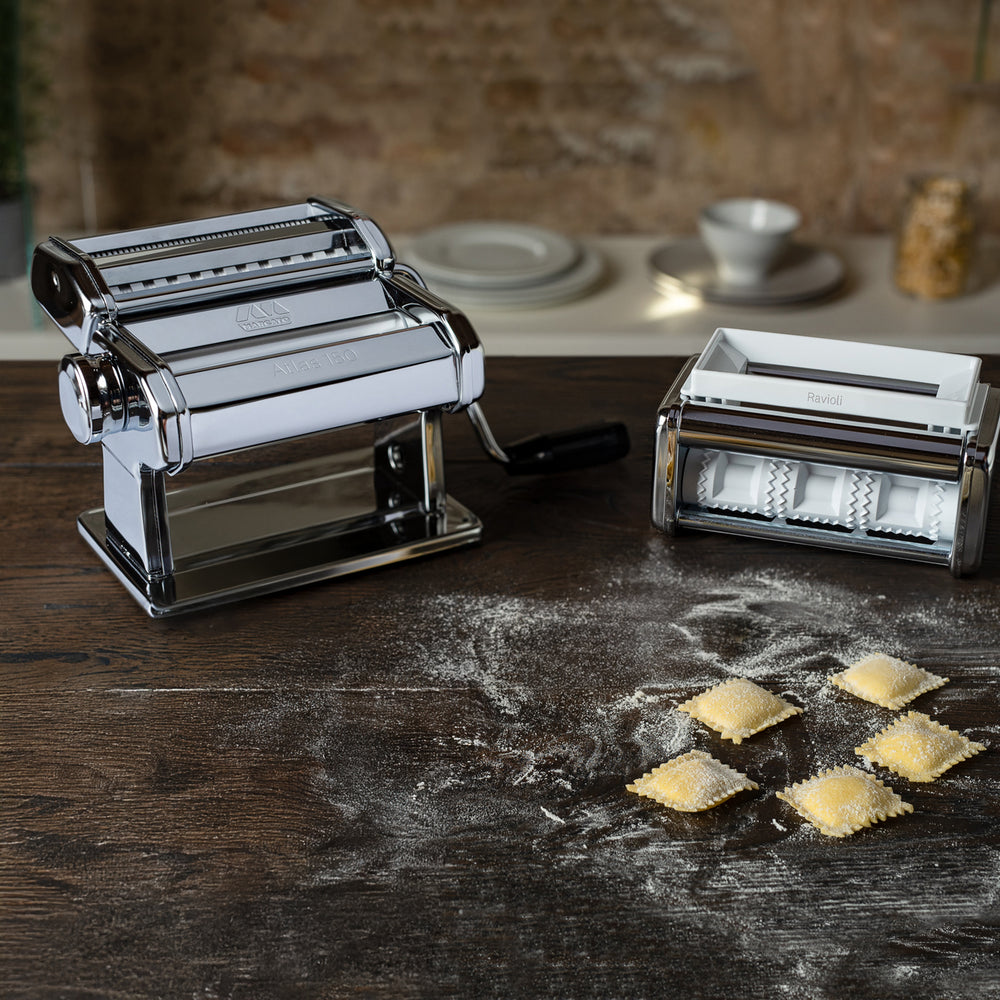
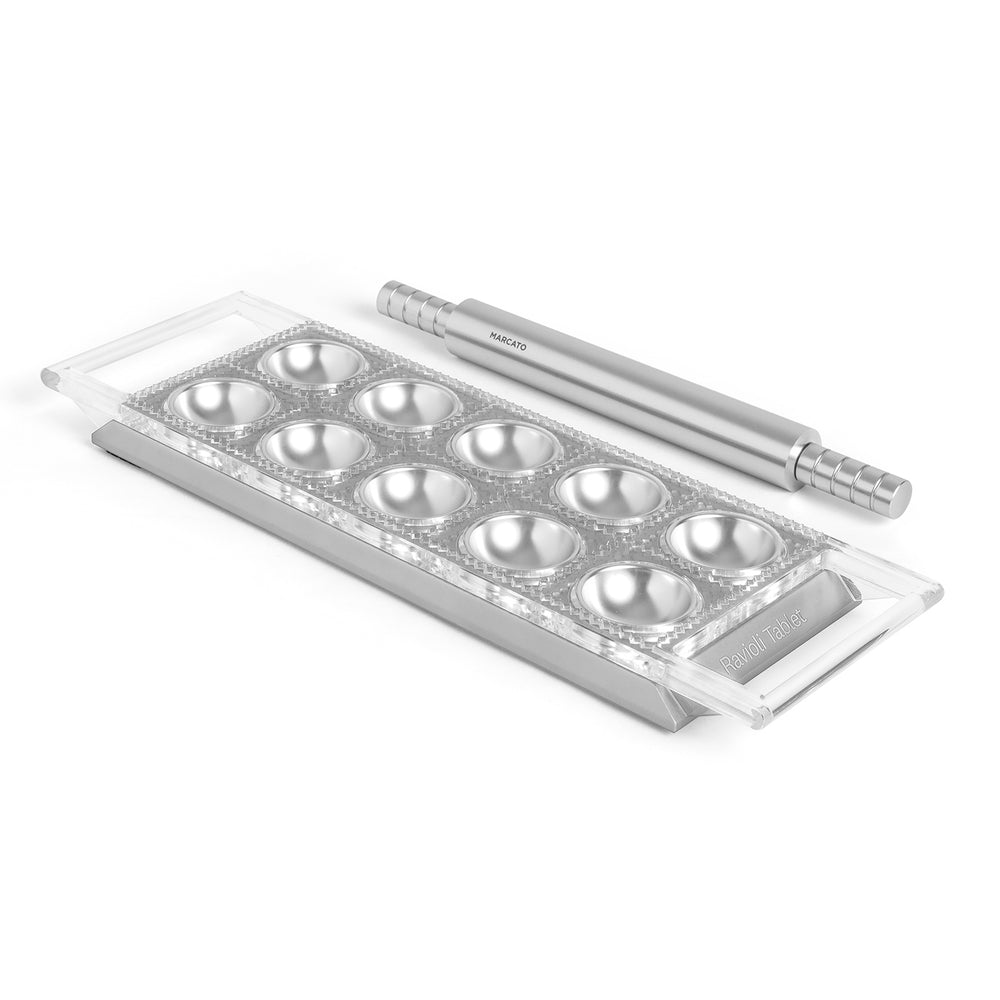
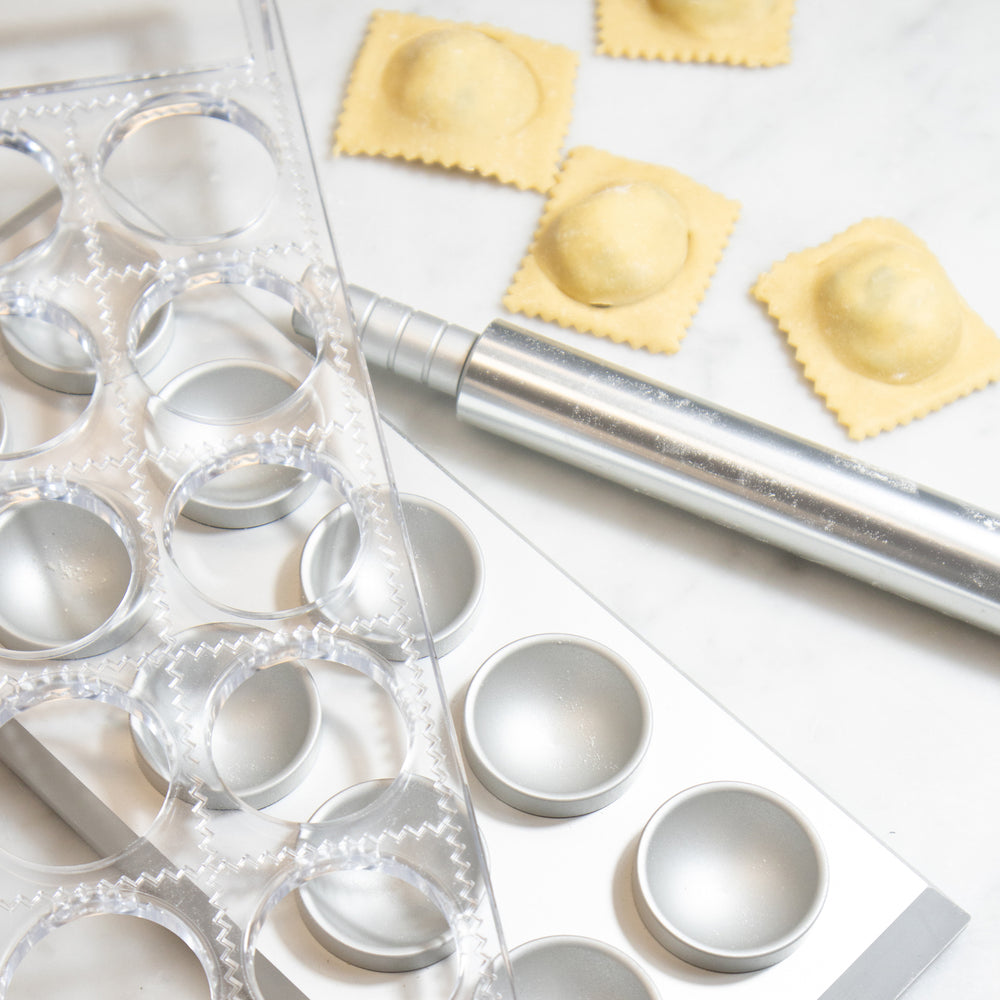
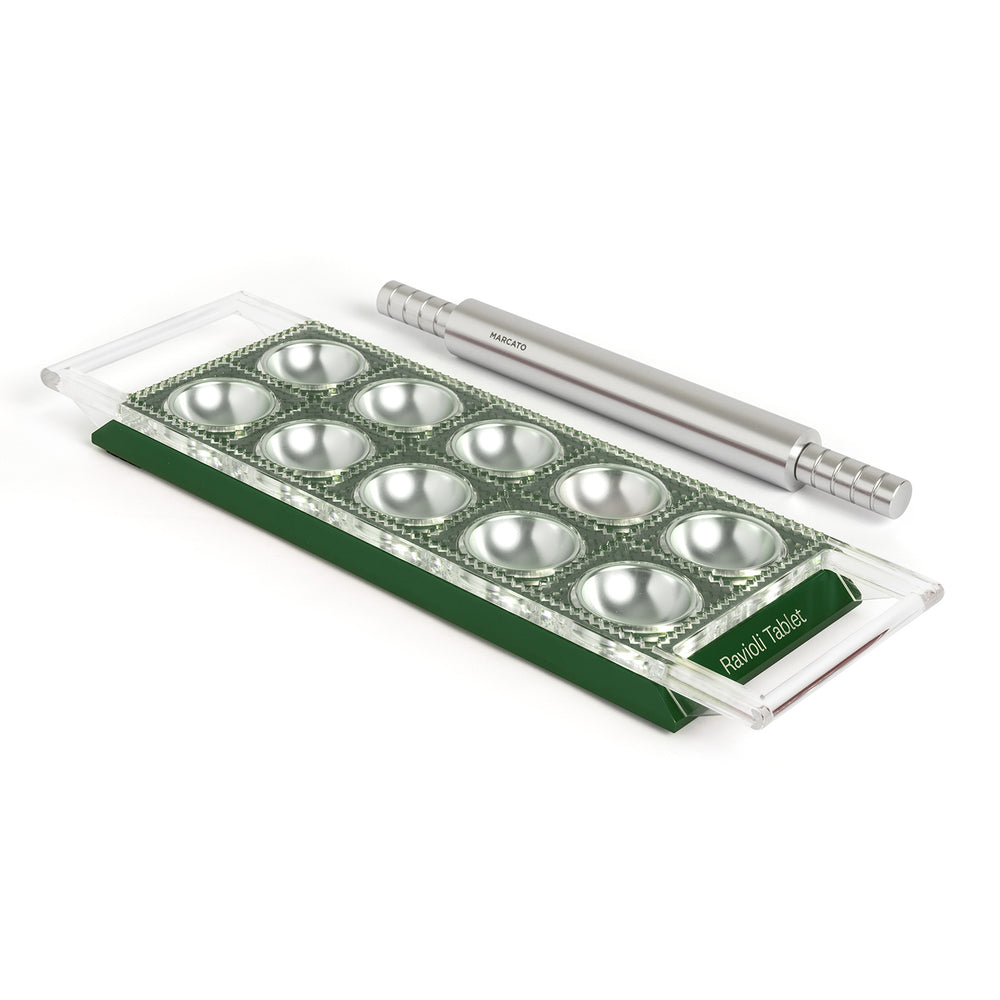
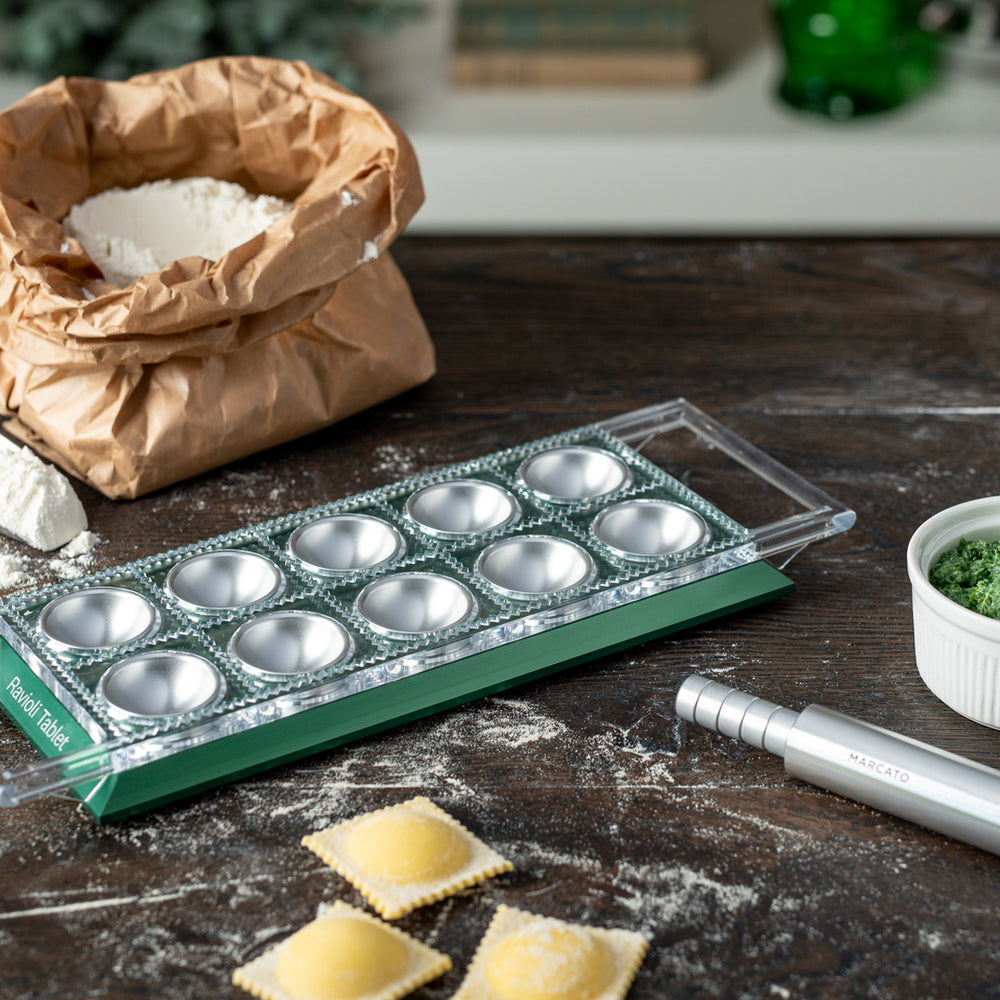
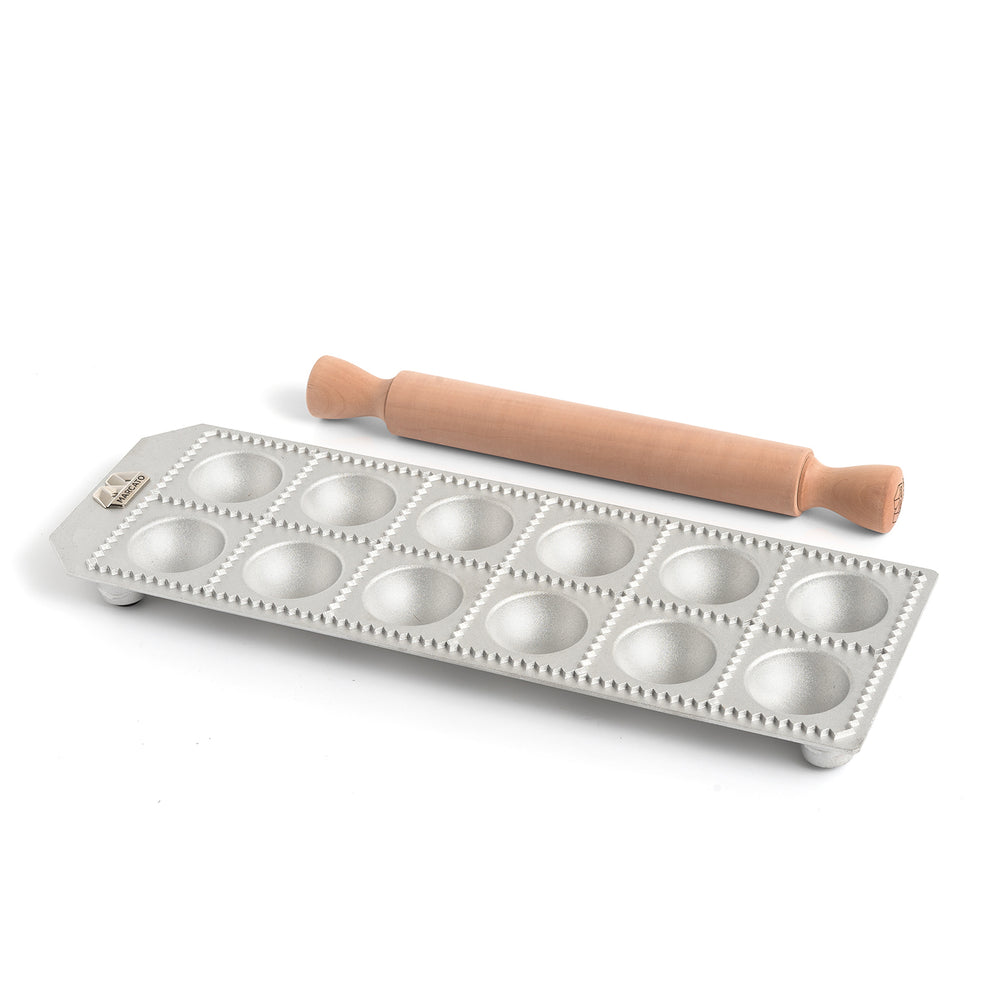
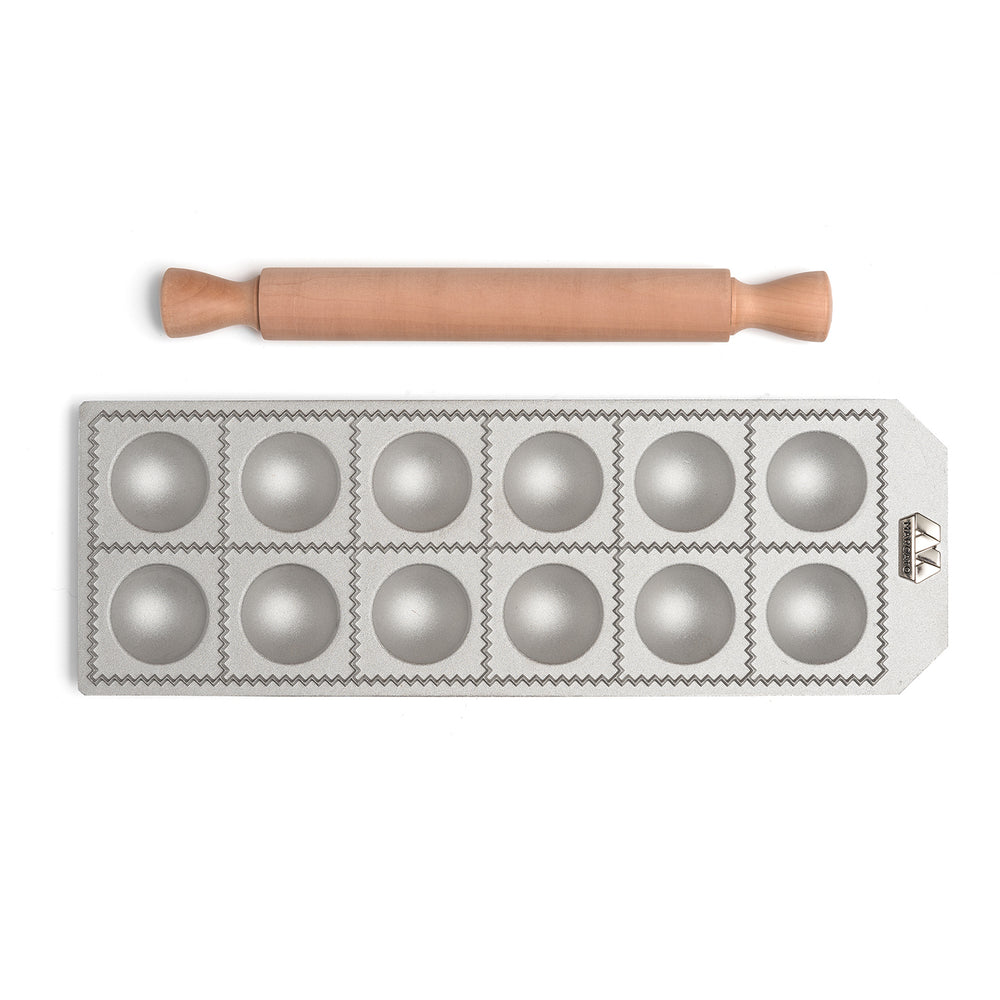
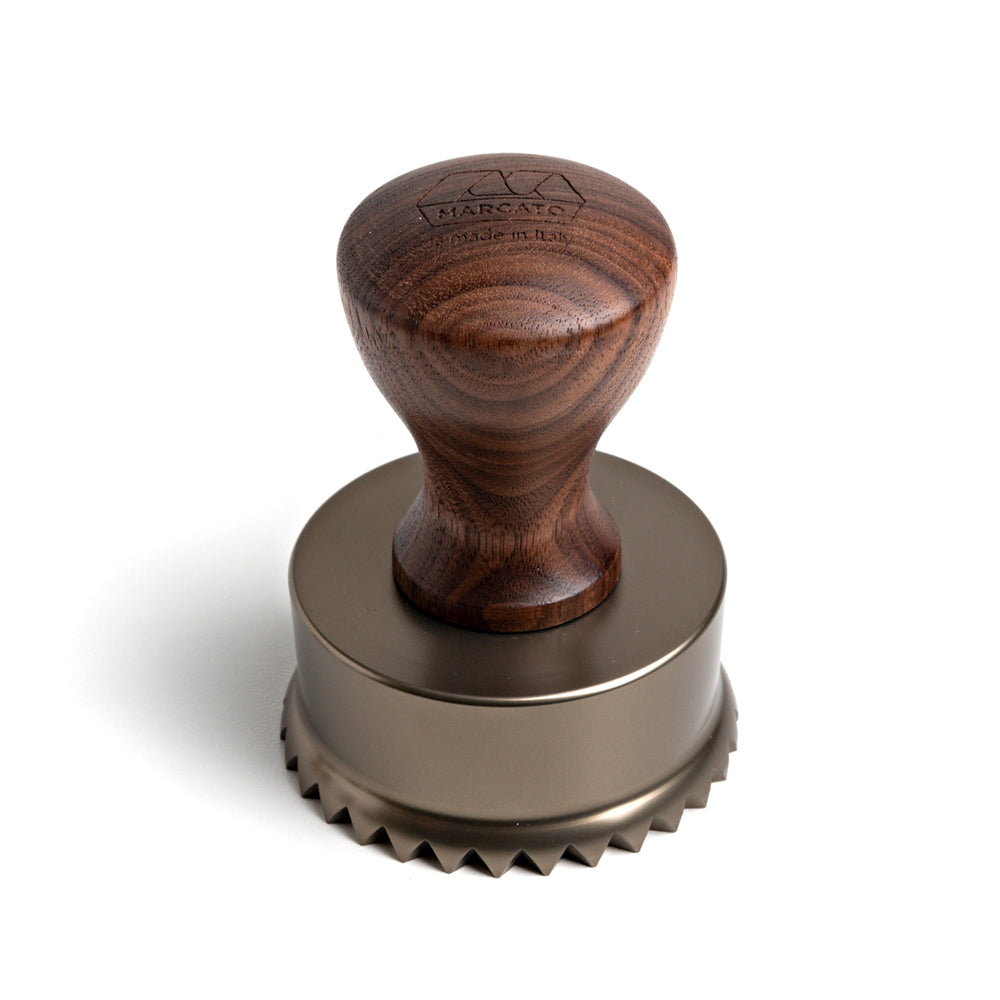
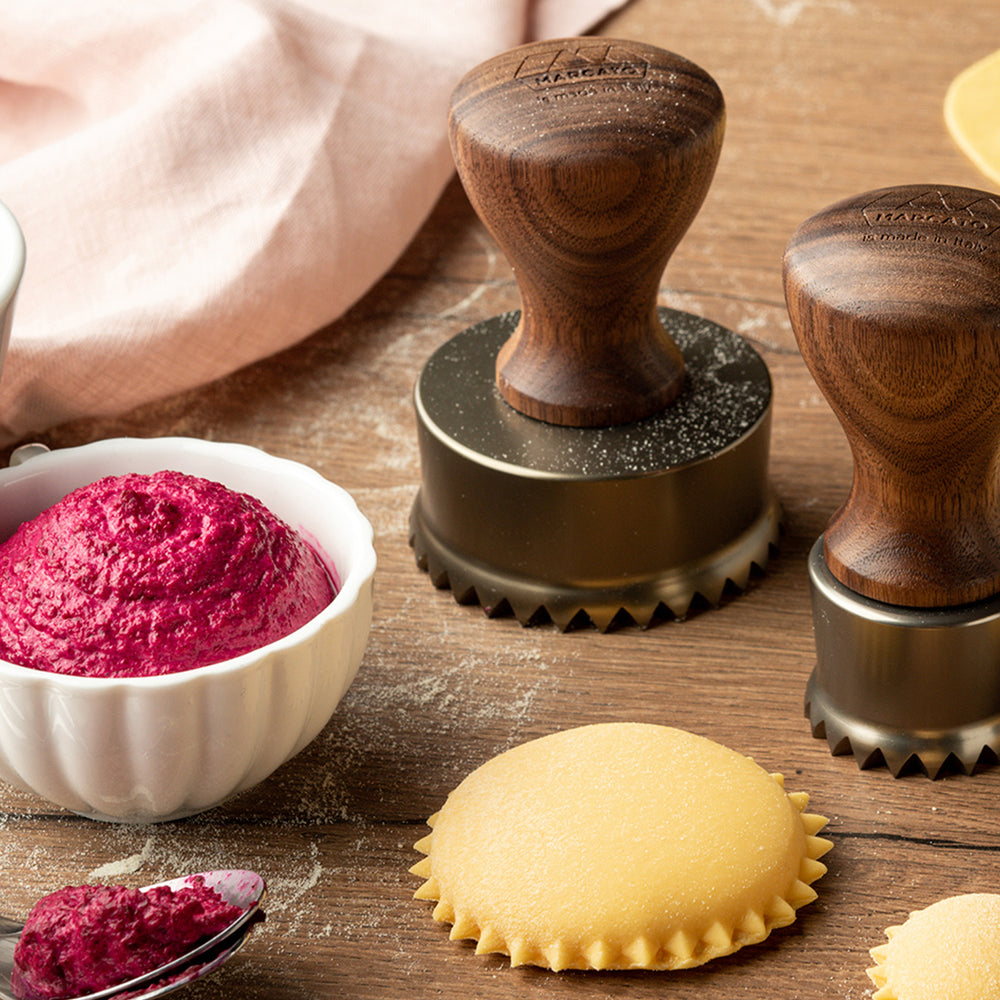
- Repeat the two steps above for the remaining pasta dough. If making long pasta, use the cutter attachments to cut sheets of dough, and form them into nests and set aside until you are ready to cook. For filled pasta or other shapes, shape the pasta according to your recipe. (A ravioli press or ravioli tablet will ensure perfect proportions and even sizes, so every piece cooks at the same rate.)
How to Add All-Natural Colours to Pasta Dough
Now that you have the perfect base, here is how to incorporate nature’s most vivid ingredients to make four different colours: green, pink, yellow, and black. Note that vegetable-based purees add extra moisture, so if your dough feels tacky while kneading, dust your board with a little extra '00' flour.
These servings, like the base recipe, yield two generous portions of pasta.
How to Make Green Pasta Dough (With Spinach):
-
The Prep: Blanch 50g fresh baby spinach in boiling water for 30 seconds, plunge into an ice bath, and wring out all excess liquid using a cheesecloth or a clean tea towel.
-
The Technique: Instead of whisking the eggs in a bowl, put your whole eggs and the blanched, dried spinach directly into a blender. Puree them together until you have a completely smooth, bright green liquid. Pour this vibrant egg mixture into the well of your flour and follow the base recipe.
- Pairing Ideas: Rich meat ragùs (such as classic Bolognese), creamy gorgonzola sauces, or simply tossed in nut-brown butter and fresh sage.
How to Make Pink Pasta Dough (With Beetroot):
-
The Prep: Roast a small beetroot (roughly 100g raw) until tender. Peel and blend into a smooth, thick puree. To save time, you can also use 50g of pre-cooked, vacuum-packed beetroot from the supermarket. Just ensure it is packed in natural juices rather than vinegar, drain well, and blend until smooth.
-
The Technique: Swap one egg from the base recipe for 50g (around 2-3 tablespoons) of the dense beetroot purée. The natural sugars yield a rich, magenta ribbon that pairs brilliantly with goat's cheese.
- Pairing Ideas: Creamy goat's cheese and toasted walnuts, a lemon zest and ricotta filling for homemade ravioli, or a punchy cacio e pepe sauce with coarse cracked black pepper and Pecorino Romano.
How to Make Yellow Pasta Dough (With Saffron):
-
The Prep: Steep a generous pinch of saffron strands in 1 tablespoon of warm water for 10 minutes.
-
The Technique: Whisk the infused golden liquid (along with the strands) into your eggs before mixing them into the flour. Saffron delivers a luxurious, sun-golden amber tone alongside an aromatic scent.
- Pairing Ideas: Slow-braised beef or lamb ragù, crab butter sauce, or fiery ’nduja topped with breadcrumbs and a squeeze of fresh lemon.
How to Make Black Pasta Dough (With Squid Ink):
-
The Prep: Source culinary-grade squid or cuttlefish ink from your local fishmonger or specialty grocer.
-
The Technique: Whisk 1.5 teaspoons of squid ink directly into the eggs before you add them to the flour. The ink acts as a natural emulsifier, producing a dramatic, jet-black dough with a savoury depth, perfect for pairing with shellfish.
- Pairing Ideas: Fresh seafood sauces featuring chili-garlic king prawns, clams steamed in white wine and parsley (spaghetti alle vongole), or dressed with sweet crab meat and cherry tomatoes.
How to Make Striped Pasta
To create striped pasta sheets, start by preparing two contrasting batches of dough – such as a red dough alongside a standard dough. Roll each dough out individually to a medium thickness, then pass them through a cutter attachment to produce uniform fettuccine-width strands. Lay the alternating red and yellow strands snugly side by side on a work surface, and gently press them flat with your hands. Using a rolling pin, firmly roll over the dough to fuse the edges together. Lightly dust both sides of your combined sheet with flour to prevent sticking, then feed the sheet back through the pasta machine’s flat rollers. Start on a wider setting and gradually work down to your target thickness to create a patterned sheet.